
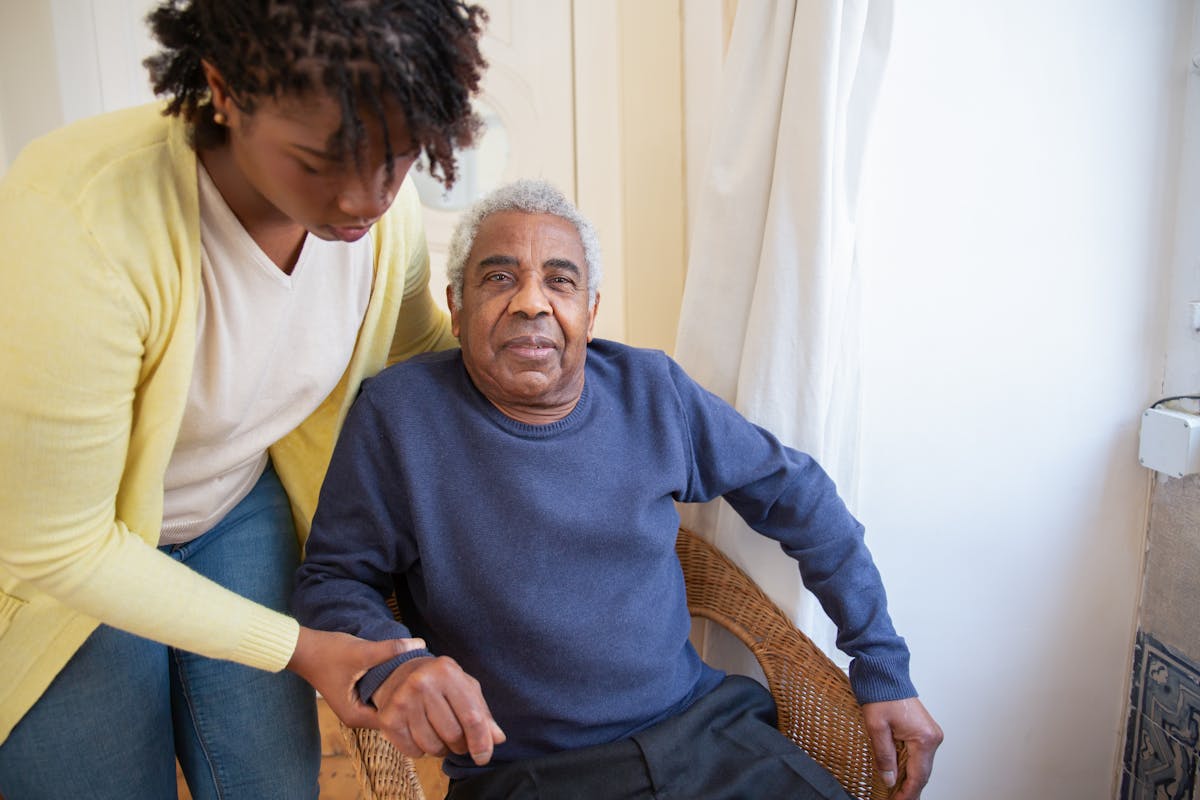
Recognizing when a family member needs help can be one of the hardest parts of caregiving. Denial is common—for both the person who needs care and their family. Here are seven signs that your loved one may benefit from home care assistance.
See If You Qualify to Get Paid as a Family Caregiver
Eligibility varies by state. Check your options in minutes.
Check Eligibility1. Difficulty with Personal Hygiene
One of the earliest signs is when personal care starts to decline. Watch for body odor, unwashed hair, wearing the same clothes repeatedly, or dental hygiene issues.
This can be uncomfortable to address, but it often indicates that bathing or grooming has become physically difficult or overwhelming.
2. Changes in the Home Environment
Take note of changes in how your loved one maintains their home:
- Unusual clutter or hoarding behaviors
- Dirty dishes piling up
- Expired food in the refrigerator
- Neglected pet care
- Unpaid bills or mail accumulation
3. Unexplained Weight Loss
Significant weight loss can indicate difficulty preparing meals, decreased appetite due to depression, or forgetting to eat. This is particularly concerning and should prompt immediate attention.
When to Act Quickly
Sudden weight loss of more than 5% in one month or 10% in six months should be evaluated by a healthcare provider immediately.
4. Increased Falls or Mobility Issues
Falls are a leading cause of injury in older adults. If your loved one has experienced falls, near-falls, or seems unsteady on their feet, they need assistance.
Signs to watch for include grabbing furniture when walking, avoiding stairs, or bruises they can't explain.

5. Memory Problems
While occasional forgetfulness is normal, certain memory issues warrant concern:
Concerning Memory Issues
- Missing medication doses or doubling up
- Getting lost in familiar places
- Asking the same questions repeatedly
- Forgetting important appointments
- Difficulty managing finances
6. Social Withdrawal
If your loved one has stopped participating in activities they once enjoyed, it could indicate depression, declining health, or difficulty with transportation and mobility.
Isolation can accelerate cognitive and physical decline, making it especially important to address.
7. Caregiver Stress in the Family
Sometimes the clearest sign is your own exhaustion. If you're providing care informally and feeling overwhelmed, it's time to explore formal support options.
Getting Help Isn't Giving Up
Seeking home care doesn't mean you love your family member less. It means you're committed to ensuring they receive the best possible care while maintaining your own health and relationships.
What to Do Next
If you've recognized any of these signs, consider these next steps:
- Have an honest conversation with your loved one about your concerns
- Involve their healthcare provider for a professional assessment
- Research local home care options and support programs
- Check if they qualify for Medicaid caregiver programs
See If You Qualify to Get Paid as a Family Caregiver
Eligibility varies by state. Check your options in minutes.
Check Eligibility